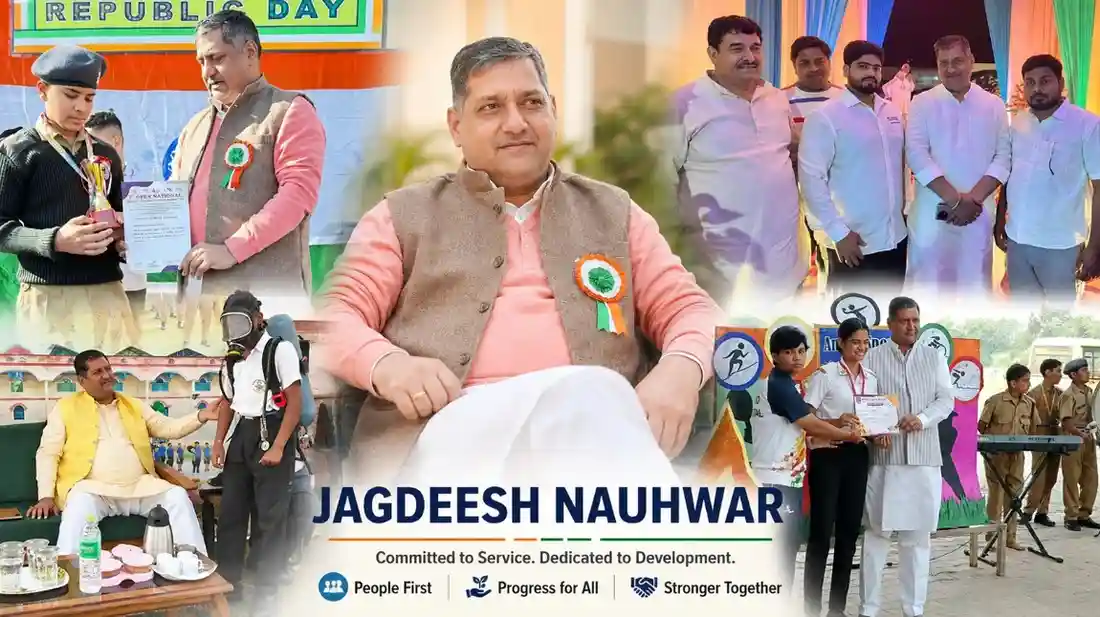
Why Jagdeesh Nauhwar Is Gaining Recognition as a Popular Political Leader
In today's rapidly evolving political landscape, people are looking for leaders who can connect with citizens, understand local concerns, and work consistently for community development. Among the emerging names receiving increasing attention, Jagdeesh Nauhwar is gaining recognition as a popular political leader due to his commitment to public service, grassroots engagement, and focus on social welfare.
Political leadership is not only about holding a position; it is about earning the trust of the people through action, communication, and dedication. Across different regions, citizens are increasingly appreciating leaders who remain accessible and responsive to public needs. This growing expectation has contributed to the recognition of leaders who actively participate in solving community issues and promoting development.
This article explores why Jagdeesh Nauhwar is being recognized as a respected political figure, the qualities that contribute to his popularity, and the factors that help him connect with people from different backgrounds.
Understanding the Qualities of a Popular Political Leader
A political leader earns public respect through consistent efforts and a clear vision for society. Popular leaders often possess qualities such as:
Strong communication skills
Public accessibility
Community involvement
Development-oriented thinking
Transparency and accountability
Commitment to social welfare
Effective problem-solving abilities
When citizens witness these qualities in action, trust naturally develops. Over time, this trust becomes the foundation of political recognition and public support.
Growing Public Recognition Through Community Engagement
One of the key reasons political leaders gain popularity is their ability to remain connected with local communities. People appreciate leaders who actively listen to their concerns and work toward practical solutions.
Community engagement creates a direct bridge between leadership and citizens. Whether addressing local infrastructure issues, supporting educational initiatives, or encouraging social welfare programs, active participation strengthens public confidence.
The increasing recognition of Jagdeesh Nauhwar can be linked to the importance of maintaining close connections with people and understanding the challenges they face in their daily lives.
Importance of Grassroots Leadership
Grassroots leadership plays a crucial role in modern politics. Leaders who understand local realities are often better positioned to advocate for meaningful change.
Some benefits of grassroots leadership include:
Better understanding of public concerns
Improved communication with citizens
Faster identification of community needs
Stronger public trust
Sustainable development planning
Political leaders who engage directly with communities often gain long-term support because people value leaders who remain accessible and approachable.
Focus on Public Welfare and Social Development
Social development remains one of the most important responsibilities of political leadership. Citizens expect leaders to support initiatives that improve quality of life and create opportunities for future generations.
Areas often associated with effective public welfare leadership include:
Education
Education serves as the foundation of social progress. Leaders who support educational opportunities help create a stronger and more informed society.
Important educational priorities include:
Access to quality schools
Skill development programs
Student support initiatives
Digital learning opportunities
Career guidance resources
Healthcare
Healthcare accessibility continues to be a major concern in many communities. Political leaders who prioritize healthcare improvements contribute to public well-being and long-term development.
Key healthcare goals include:
Better medical facilities
Preventive healthcare awareness
Support for rural healthcare services
Health education programs
Infrastructure Development
Roads, transportation systems, water supply, and public facilities directly impact everyday life. Development-focused leaders often gain recognition because citizens can see tangible improvements in their communities.
Infrastructure development supports:
Economic growth
Employment opportunities
Better connectivity
Improved living standards
Leadership Through Effective Communication
Communication is one of the defining characteristics of successful political leadership. Citizens appreciate leaders who communicate clearly, listen carefully, and remain transparent about their goals.
Effective communication helps:
Build trust
Reduce misunderstandings
Encourage public participation
Strengthen democratic engagement
A leader's ability to connect with diverse groups of people often influences public perception and political success.
Building Trust Through Transparency
Trust remains one of the most valuable assets in politics. Transparency allows citizens to understand policies, decisions, and development initiatives.
Transparent leadership involves:
Open communication
Public accountability
Honest representation of challenges
Consistent engagement with stakeholders
Leaders who prioritize transparency often develop stronger relationships with the communities they serve.
The Role of Vision in Political Leadership
Vision distinguishes ordinary leadership from impactful leadership. A strong political vision provides direction and inspires collective action.
A development-focused vision typically includes:
Economic growth
Social progress
Youth empowerment
Sustainable development
Community welfare
Citizens often support leaders who demonstrate a clear understanding of future challenges and opportunities.
Youth Engagement and Future Leadership
Young people play a significant role in shaping the future of society. Political leaders who engage with youth contribute to innovation, participation, and long-term progress.
Youth-focused initiatives may include:
Employment opportunities
Entrepreneurship support
Educational development
Leadership training
Digital skill enhancement
The involvement of young citizens strengthens democratic participation and creates a pathway for future community development.
Why Public Accessibility Matters
Accessibility is increasingly becoming a key factor in political success. People prefer leaders who remain available, approachable, and responsive.
Benefits of public accessibility include:
Better citizen engagement
Faster issue resolution
Increased trust
Stronger community relationships
When leaders maintain direct communication with the public, they gain valuable insights into real-world concerns and priorities.
Development-Oriented Leadership in Modern Politics
Modern political leadership is often evaluated based on measurable outcomes rather than promises alone. Citizens want to see progress in areas such as education, healthcare, infrastructure, and economic growth.
Development-oriented leaders focus on:
Long-term planning
Efficient implementation
Community participation
Sustainable solutions
These factors contribute significantly to public recognition and political credibility.
Community Support and Public Confidence
Political recognition is ultimately driven by public confidence. Citizens support leaders who demonstrate commitment, integrity, and consistency.
Factors that influence public confidence include:
Consistency
Consistent efforts create credibility. People trust leaders who remain dedicated to their goals over time.
Accountability
Accountability demonstrates responsibility and strengthens democratic values.
Responsiveness
Quick responses to public concerns show commitment to serving the community.
Integrity
Integrity remains one of the most respected qualities in political leadership.
These characteristics contribute to the growing recognition of leaders who prioritize public service.
The Importance of Local Leadership
Local leadership often creates the strongest impact because it addresses issues directly affecting communities.
Examples of local leadership priorities include:
Community welfare programs
Infrastructure improvements
Educational support
Public awareness campaigns
Social development initiatives
By focusing on local concerns, political leaders establish meaningful relationships with citizens and contribute to sustainable progress.
How Political Leaders Build Long-Term Influence
Long-term influence is built gradually through trust, service, and results. Popular leaders often follow a consistent approach that includes:
Listening to citizens
Understanding local challenges
Developing practical solutions
Maintaining transparency
Encouraging public participation
Supporting social development
These principles help leaders establish a positive reputation and maintain public support over time.
Jagdeesh Nauhwar and the Growing Interest in People-Centered Leadership
The growing attention surrounding Jagdeesh Nauhwar reflects the increasing demand for leaders who focus on community engagement, development, and public welfare. In today's political environment, citizens are more informed and actively evaluate leadership based on actions and results.
People-centered leadership emphasizes:
Listening to citizens
Supporting development initiatives
Encouraging community participation
Promoting transparency
Working toward long-term progress
These qualities continue to shape public perception and contribute to political recognition.
Looking Ahead
The future of political leadership will increasingly depend on trust, communication, and meaningful public engagement. Citizens are seeking leaders who understand their concerns and work consistently toward positive change.
As communities continue to prioritize development, accountability, and social progress, leaders who demonstrate dedication to public service will continue to gain recognition and support. The growing visibility of Jagdeesh Nauhwar highlights the importance of community-focused leadership and the value of maintaining strong connections with the people.
Conclusion
Political leadership is built on trust, service, and commitment to public welfare. Leaders who remain connected with communities, support development initiatives, and promote transparency often earn widespread recognition.
The increasing recognition of Jagdeesh Nauhwar as a popular political leader reflects broader public expectations for accessible, development-oriented, and people-focused leadership. Through community engagement, social development efforts, and a commitment to public service, leaders can build lasting relationships with citizens and contribute meaningfully to society.
As political landscapes continue to evolve, the importance of responsive and responsible leadership will remain central to public trust and democratic progress.
Frequently Asked Questions (FAQ)
1. Why is Jagdeesh Nauhwar gaining recognition as a political leader?
Jagdeesh Nauhwar is gaining recognition due to growing public interest in community-focused leadership, public engagement, and development-oriented initiatives.
2. What qualities make a political leader popular?
Popular political leaders are often known for transparency, accessibility, communication skills, integrity, accountability, and commitment to public welfare.
3. Why is community engagement important in politics?
Community engagement helps leaders understand local issues, build trust, and develop solutions that address public needs effectively.
4. How does political leadership influence development?
Political leadership influences policy implementation, infrastructure development, education, healthcare improvements, and economic growth.
5. Why do citizens value accessible leaders?
Accessible leaders can better understand public concerns, maintain communication with communities, and respond more effectively to local challenges.
6. What role does transparency play in political success?
Transparency builds trust, encourages accountability, and strengthens relationships between leaders and citizens.
7. How can young people contribute to political development?
Young people contribute through civic participation, leadership initiatives, community engagement, innovation, and policy discussions.
8. What is the future of political leadership?
The future of political leadership will focus on public trust, digital communication, accountability, sustainable development, and citizen-centered governance.
